


10 Criteria for Choosing the Best 3D Rendering Agency

Authored By: Juhi
Juhi is an experienced content creator with a deep understanding of audience engagement and brand...

Fact-checked By: Ayush
3D generalist with 9 years’ experience in rendering, AR, modeling, and creative asset design. He...
Choosing a 3D rendering company is tough. The market is very competitive, and the size of providers can vary. But there are some criteria for selecting the right 3D visualization service, like quality, cost, time, volume of work, etc.
But that’s not the only way you can choose the best 3D rendering agency online that can help you with your projects. We have listed the top 10 factors you should consider before choosing a 3D visualization service provider for real estate or architecture.
This list is made in accordance with our 3D artist in-house, who has experience of 6+ years. We have also provided you with 3 affordable 3D rendering companies for SMEs. Let us break it down for you!
1. Expertise
Different 3D rendering agencies have expertise in various markets. While some companies may have collective market experience, make sure you do look for relevant expertise or project completions in their portfolio.
You may find specializations, like architectural, product visualization, or in specific spaces such as retail (it is a space where retail 3D rendering experts from offshore countries specialize) and commercial interiors. Another expertise lies in the style of renders. Here are some common ones:
- Photorealistic rendering (materials, lighting, reflections)
- Stylized / artistic / conceptual renders
- Non-photorealistic rendering (NPR), like sketch / watercolor / illustrative styles
- Animation / walkthrough / flythrough style
Lastly, expertise can also be in the types of models and renders that the agency may deliver. There are low-poly, high-poly, CAD, and texture modeling with material creation; all of which fall under the expertise of the 3D visualization studio. In a way, their creativity and ability to deliver diverse renders can also be measured using this criterion.
2. Experience
Experience is a good thing to check when you’re looking at a 3D rendering company. But just because a company has been around for 15 years doesn’t always mean it can give you exactly the kind of work you want.
Rather than doing so, expand your experience criteria for your 3D modeling or rendering company with the depth of their work. Some projects will show the experience of your chosen 3D visualization service company more than their age in business.
If they have handled high-functioning projects with multiple light sources, varied materials, large scenes, post-production, animation, etc., they are more than capable. Your project may be simpler compared to this, but that will set the stage for how easily and with quality they will be able to deliver your 3D rendering project.
Like the previous factor, make sure the scope of their projects has been diverse (both by size and volume). Also, you can connect with them for a brief review of your potential project before finalizing them on any of the criteria on this list.
3. Quality
To check for the quality, you will need to go through the portfolio of a rendering company. Some businesses may not openly showcase their client projects due to a concern with data protection, so you can personally message them to send you some samples.
If you want to evaluate their quality even further, you should set some parameters for them. Start with accuracy and measure how exactly they met your project needs. 3D visualization companies you partner with should also provide you with realistic and in-depth composition models.
As for the future, when you want to be sure you always evaluate quality, always ask them how many revisions they offer, what their process is, and do they provide after-sales support if their renders fail during application (like when used in marketing materials, presentations, or on your website).
4. Tech Stack
The tech stack of a 3D rendering agency might be one of the most important factors to assess them on. A bigger, experienced 3D visualization company sounds trustworthy until you know that they have been using the same rendering software technologies for the past 10 years. They then might be less efficient and stuck in cycles of no creativity or have production limits.
If you want to know some tools and tech stack to choose the best 3D rendering partner for your project, make sure they work with at least one of the 4 software mentioned below:
- Autodesk 3ds Max: A powerful modeling and rendering tool, widely used for architecture rendering and design. Supports complex scenes, detailed lighting, and texturing for high-quality visualization.
- V-Ray: Industry-standard rendering engine known for photorealistic lighting, shadows, and materials. Integrates with 3ds Max, SketchUp, Rhino, and more for flexible, polished results.
- Blender (Cycles & Eevee): Free, open-source software with robust modeling, sculpting, and animation tools. Cycles delivers photorealism, while Eevee enables fast real-time rendering previews.
- Lumion: Fast, easy architectural rendering software. Creates visually impressive exterior and interior scenes quickly with realistic lighting, vegetation, and atmospheric effects for presentations.
- Enscape: Real-time rendering and VR tool for architects. Enables interactive walkthroughs, rapid visualization, and client-friendly previews directly from design models.
- KeyShot: Intuitive rendering software for product visualization. Offers fast results, realistic materials, and stunning visuals with minimal setup, ideal for product designers.
- Autodesk Arnold: High-quality rendering engine used in films and VFX. Provides realistic lighting, advanced shading, and physically accurate results for top-tier visual quality.
5. Customization
Customization as a criterion is more about creating your 3D rendering project from scratch. A 3D rendering agency may use templates to bypass a lot of custom models you need “your way”. Some may also provide you with the option to pay for the models and the rest of the work separately, as these custom models can be pricey to make from scratch.
However, make sure you choose a 3D rendering company that provides you with the entire project under one cost. Also, revisions should be a part of customizations, especially if you are looking to outsource a big 3D rendering project.
If you also want to make sure your style of 3D rendering is exactly followed, you should provide an example, like a reference photo, mood board, or sample render.
Also Read: Benefits of Outsourcing 3D Modeling and Rendering Services
6. Size
Size here means two things; the size of the 3D rendering company and your project size. Obviously, both need to align to make sure smooth collaboration and high-quality outcomes happen.
The Size of the 3D Rendering Company
The agency’s size often gives us insight into its capabilities, resources, and flexibility.
- Team Strength: A larger company with multiple 3D artists, designers, and project managers can handle bigger workloads, tighter deadlines, or multiple projects at once. On the other hand, a smaller boutique studio may offer a more personalized, hands-on approach but could be limited in capacity.
- Infrastructure: Bigger agencies often have access to advanced technology, powerful render farms, and a wide range of licensed software. This means faster turnarounds and fewer technical bottlenecks.
- Scalability: If our future needs grow, a mid-sized or large company may scale with us more easily compared to a small two-person studio.
The Size of Our Project
The second part of the equation is how big or complex our project is.
- Small Projects: For a one-off product render or a handful of marketing visuals, a boutique agency might be more cost-effective and just as reliable.
- Medium to Large Projects: If we’re working on an architectural development, a catalog of hundreds of product renders, or ongoing visualization work, we’ll need a company with the manpower and infrastructure to match that scope.
- Ongoing Needs: If our project requires continuous updates, frequent revisions, or integration into marketing campaigns, the 3D rendering agency’s team size must be sufficient to provide consistent support.
The best 3D rendering company for your project will be the one that is big enough to handle the size of your project, but small enough to pay attention to the finer details of your 3D renders.
7. Volume/Capacity
When evaluating a 3D rendering company, volume and capacity are critical for larger organizations that need consistent output at scale. The goal is to ensure the agency can handle heavy workloads without delays or compromises in quality.
Team strength matters, but capacity also depends on the efficiency of their workflow, the robustness of their rendering infrastructure, and the way they manage projects. It is essential to ask about their experience with large-scale assignments, review case studies, and assess whether they have delivered hundreds of renders with accuracy and consistency.
Scalability is another factor; can they expand resources quickly if your needs grow? Reliable agencies also maintain backup options to avoid bottlenecks. The best way to test true capacity is through a pilot project, giving you insight into how well they balance speed, scale, and quality under real-world conditions.
8. Turnaround Time
A 3D rendering agency that you decide to partner with will have a time range when they will assure you to deliver your project. This time is usually called turnaround time in the industry and is a factor that will explain to you the difference between freelance 3D renderers and agencies.
TATs are based on the size of the agency or the capacity of the individual. Depending on the complexity of your rendering project, you may be looking at the following average TAT:
- Simple product renders: 2 to 5 days
- Small architectural interiors: 1 to 2 weeks
- Large real estate projects (multiple buildings): 4 to 6 weeks
- High-end animation/VR projects: 2 to 3 months
If you choose a company that has a TAT of more than 6 months, you should be a little suspicious or maybe ask them for a detailed rundown of why the timeline is so long.
9. On-Demand
If you are choosing a 3D rendering company that charges a lot, delivers results, and is very reputable, your decision might be a bit flawed. You have to understand that when you need the work, the agency should be able to support you.
That’s what the on-demand criteria help you to assess. It is important that your 3D render partner is available when you need them, with quick response times and flexible capacity. If you own a business, you will see a surge in demand, which is the exact thing you will need help with.
So, before you think the next 3D visualization agency is the best for you, consider:
- Response Time – How fast do they answer your messages, give you a quote, and get started?
- Resource Flexibility – Do they have enough people or backup help to take on big or urgent projects?
- Turnaround Options – Can they deliver work faster if you need it, and do they tell you the extra cost clearly?
- Past Proof – Can they show times when they finished projects quickly without lowering the quality?
- Availability – Are they working in your time zone, or do they have teams in different places who can cover more hours?
10. Cost
Finally, this is the criterion that answers your question on how much do 3D rendering agencies charge for projects. It usually depends; however, you can always get a rough idea from estimates as to how much they will cost you.
Here is a table that can provide you with all the necessary cost estimates:
| Company Scale | Cost Range (per image) | Hourly Rate | When to Choose |
|---|---|---|---|
| Freelancer | $50 – $300 | $20 – $40/hr | Simple one-off projects, product shots |
| Small Studio | $199 – $800 | $30 – $80/hr | Small interiors, product catalogs |
| Mid-sized Studio | $500 – $2,000 | $50 – $150/hr | Consistent quality, real estate, mid-scale |
| High-End Studio | $1,500 – $10,000+ | $100 – $300+/hr | Cinematic, photo-real, complex projects |
| Dedicated Outsourced Team | $8k – $50k+/month | Blended $40 – $120/hr | Ongoing, scalable bulk needs |
Please note: These are just estimates that have been calculated from multiple sources.
Top 3 3D Rendering Agencies in 2025
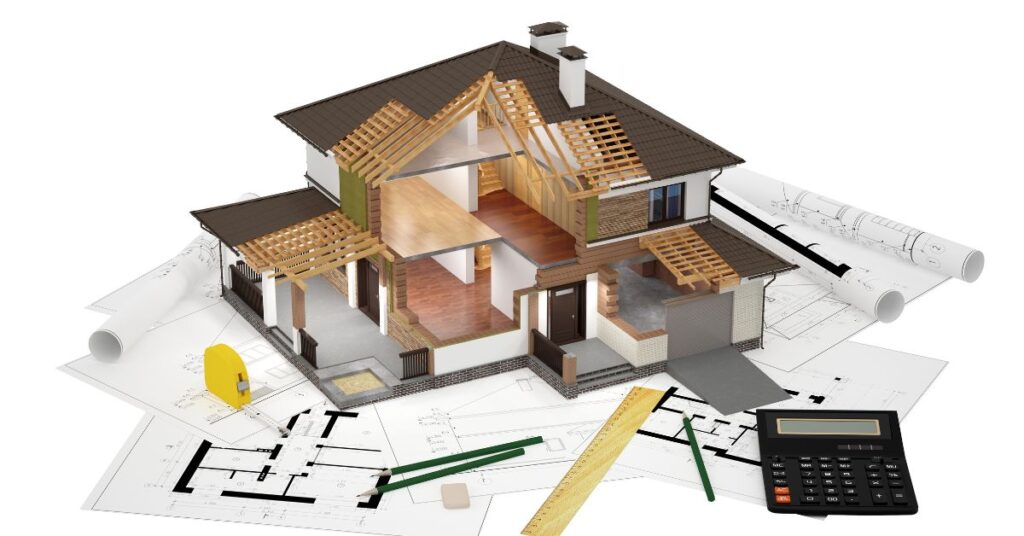
We have recommended to you the top 3D rendering agencies that you can consider to hire for your projects.
1. Invedus
Invedus is an outsourcing company delivering high-quality 3D rendering services starting at just $799/month. With over 10 years of experience and 1,000+ completed projects, they help startups, SMEs, and eCommerce businesses cut costs by up to 70%.
Key advantages include:
- Dedicated teams you can interview and choose
- No long-term contracts or employee liabilities
- Global time zone support for smooth collaboration
2. Danthree Studio
Danthree Studio is a German CGI visualization firm founded in 2021 by Daniel Schuster. They specialize in furniture, home & living brands, offering photorealistic product visualizations, interior/exterior renders, pack shots, and virtual environments.
3. Zatun
Zatun is a small Indian 3D modeling studio focused on game art. They produce 3D characters, vehicles, and environment assets, optimized for various game engines, with clean production-ready models.
Conclusion
Choosing the right 3D rendering partner takes more than comparing prices. From expertise and quality to turnaround time and scalability, every factor matters. Use these criteria for selecting the right 3D visualization service to avoid costly mistakes and ensure reliable results.
Whether you’re exploring affordable 3D rendering companies for startups or established 3D visualization studios, knowing what to look for helps you partner with the best fit for your projects.



Last updated on: Apr 27, 2026